- English
- French
- German
- Portuguese
- Spanish
- Russian
- Japanese
- Korean
- Arabic
- Greek
- German
- Turkish
- Italian
- Danish
- Romanian
- Indonesian
- Czech
- Afrikaans
- Swedish
- Polish
- Basque
- Catalan
- Esperanto
- Hindi
- Lao
- Albanian
- Amharic
- Armenian
- Azerbaijani
- Belarusian
- Bengali
- Bosnian
- Bulgarian
- Cebuano
- Chichewa
- Corsican
- Croatian
- Dutch
- Estonian
- Filipino
- Finnish
- Frisian
- Galician
- Georgian
- Gujarati
- Haitian
- Hausa
- Hawaiian
- Hebrew
- Hmong
- Hungarian
- Icelandic
- Igbo
- Javanese
- Kannada
- Kazakh
- Khmer
- Kurdish
- Kyrgyz
- Latin
- Latvian
- Lithuanian
- Luxembou..
- Macedonian
- Malagasy
- Malay
- Malayalam
- Maltese
- Maori
- Marathi
- Mongolian
- Burmese
- Nepali
- Norwegian
- Pashto
- Persian
- Punjabi
- Serbian
- Sesotho
- Sinhala
- Slovak
- Slovenian
- Somali
- Samoan
- Scots Gaelic
- Shona
- Sindhi
- Sundanese
- Swahili
- Tajik
- Tamil
- Telugu
- Thai
- Ukrainian
- Urdu
- Uzbek
- Vietnamese
- Welsh
- Xhosa
- Yiddish
- Yoruba
- Zulu
LCD Panel Module Benefits for Medical and Control Systems
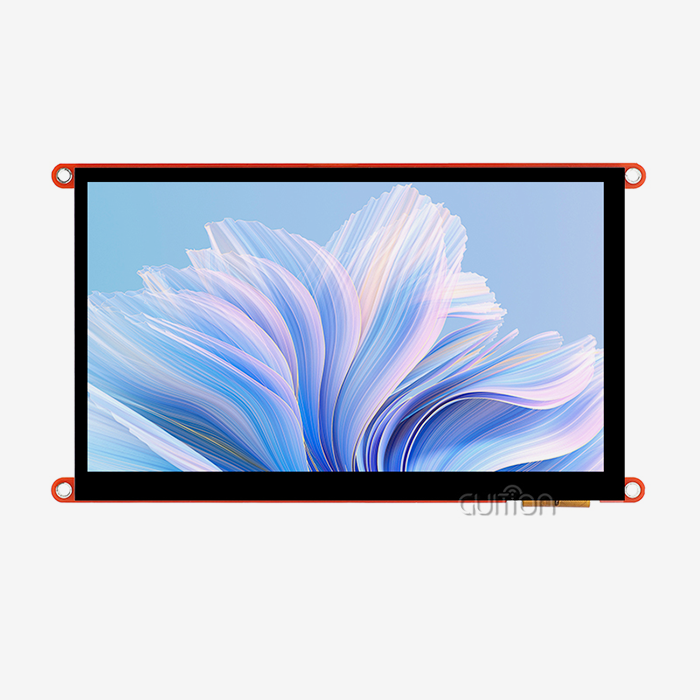
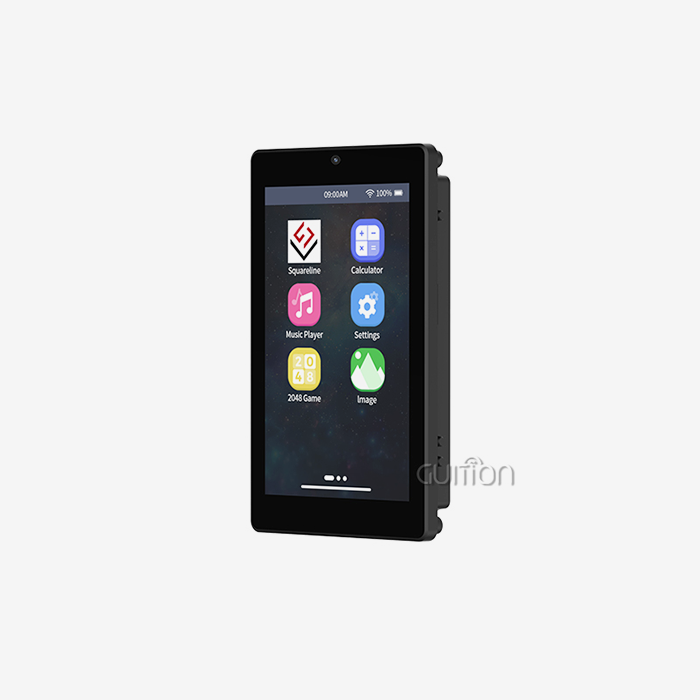
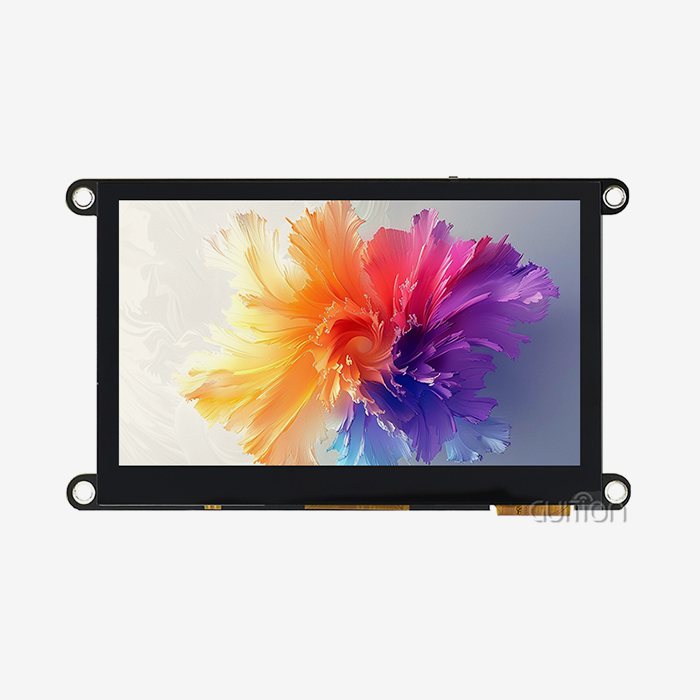
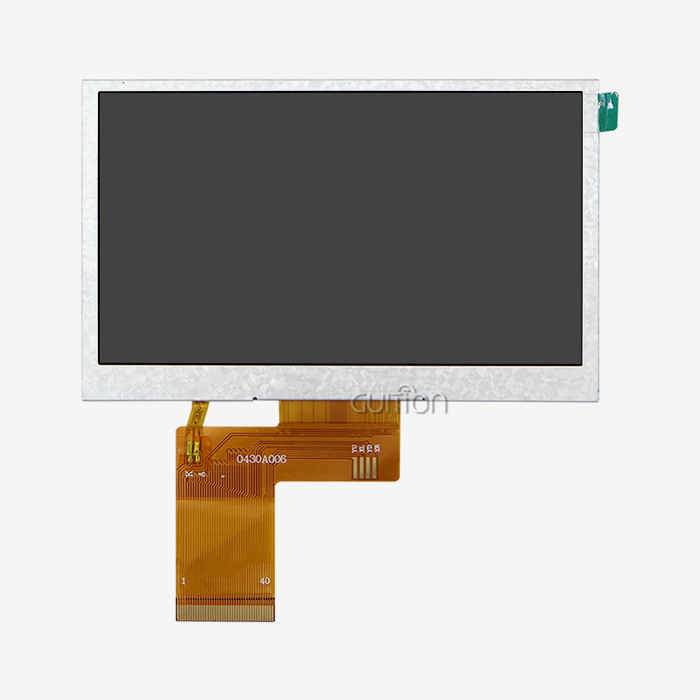
In critical healthcare and industrial automation environments, display reliability isn't optional—it's essential. An LCD panel module serves as the visual nerve center where operators monitor vital parameters, execute time-sensitive commands, and ensure patient safety or production continuity. These integrated display assemblies combine liquid crystal display technology with driver electronics, backlight units, and control interfaces into cohesive units ready for system integration. Selecting the right display solution directly impacts operational efficiency, regulatory compliance, and long-term cost management across medical diagnostics equipment, pharmaceutical manufacturing controls, industrial automation panels, and energy management systems.

Core Benefits of LCD Panel Modules for Medical and Control Systems
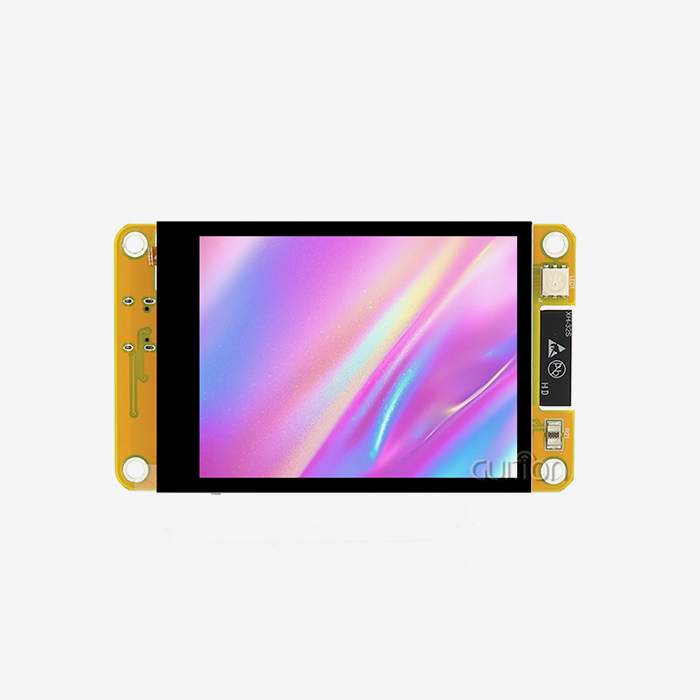
Adding custom SPI LCD Display options to medical and control systems improves operations in a number of ways that can be measured. These benefits include more than just visual output. They also include a reliable system that saves money and can be changed to meet new needs.
Enhanced Visual Clarity for Critical Decision-Making
When screens show diagnostic information or process state, accurate color reproduction is a must. Advanced LCD panel modules support a 16.7M color depth that makes it possible to clearly tell the difference between colors that are very similar. This is very important for doctors who are reading ultrasound images or for operators who are reading control dashboards and need to tell the difference between warning levels. Every shade conveys important information; color confusion could cause a wrong diagnosis or a delay in responding to problems with equipment.
Clear resolution keeps operators from getting tired during long tracking sessions. Sharp text rendering at 800x480 resolution makes sure that process variables, medication dosages, and parameter values can be read without straining the eyes. This clarity is especially helpful in pharmaceutical cleanrooms, where workers have to keep an eye on a lot of factors while wearing safety gear that can make it hard to see.
Operational Robustness and Longevity
In medical and industrial settings, equipment is put through conditions that would quickly break down consumer electronics. Changes in temperature and humidity between climate-controlled patient areas and equipment rooms, as well as constant power cycles, mean that screens need to be built to last. Quality LCD panel modules keep working well in temperatures ranging from -20°C to +70°C and have a lifespan of more than 50,000 hours.
Electrical noise immunity guards the stability of the display in places with strong electromagnetic fields. Radio-frequency devices, imaging equipment, and electrosurgical units are all close together in surgical suites, which can cause interference that could mess up display signals. When LCD panel modules are properly shielded and have strong EMI protection, they keep the signal integrity and stop screen artifacts that could distract medical staff during important treatments.
Energy Efficiency and Sustainable Operation
There is more and more pressure on manufacturing plants and healthcare facilities to use less energy. Modern LCD panel modules use a lot less power than older technologies. For example, LED backlighting in modern screens uses 30–50% less power than older CCFL (Cold Cathode Fluorescent Lamp) systems while providing better brightness consistency. This efficiency grows with more installations; for example, a hospital that uses hundreds of patient monitors will save a lot of money on operational costs over the life of the equipment.
Not only does less heat production save energy, but it also makes the system more reliable. Lowering thermal output lowers the need to cool equipment enclosures, which makes thermal management easier and lowers fan-related noise. This is especially important in patient care settings where noise can affect how well patients recover.
Integration Flexibility and Customization
Off-the-shelf display options don't always work perfectly with the needs of a specific application. Customizing LCD panel modules by changing how they are mounted, how cables are routed, or the interface protocols they use makes it possible for them to fit right into current equipment designs. This is shown by Guition's USART-HMI method, which allows for secondary growth without needing a lot of low-level programming knowledge.
Interface compatibility affects how hard it is to integrate and how long it takes to develop. LCD panel modules with standard MCU interfaces and support for multiple communication protocols (UART, SPI, and I2C) let engineers choose connection methods that work with the way their system is already set up. This makes it easier to redesign products or equipment when they need to be updated or changed to fit different market segments.
How to Choose the Best LCD Panel Module for Medical and Control Systems
Long-term decisions about purchases affect how well equipment works, how well it meets regulations, and the total cost of ownership. Comparing technical specs to application needs in a planned way avoids mistakes that cost a lot of money and makes sure that screens work as expected for their whole time.
Defining Your Application Requirements
First, connect the display's functions to the needs of the operation. Industrial process controls that show numbers and status symbols need different specs than medical diagnostic equipment that shows high-resolution images. Distances from which to view documents, lighting conditions, and information density needs all have a direct effect on the best display size, resolution, and brightness.
The environment affects the choice of tools. When put in a pharmaceutical cleanroom, equipment has to be able to handle being cleaned with chemicals often without breaking down. In industrial settings that are prone to vibration, displays need to be mounted securely and be able to handle shocks better. Extreme temperatures in outdoor equipment housings or uncontrolled industrial areas mean that screens need to be rated for wider temperature ranges than the normal 0°C to 50°C range.
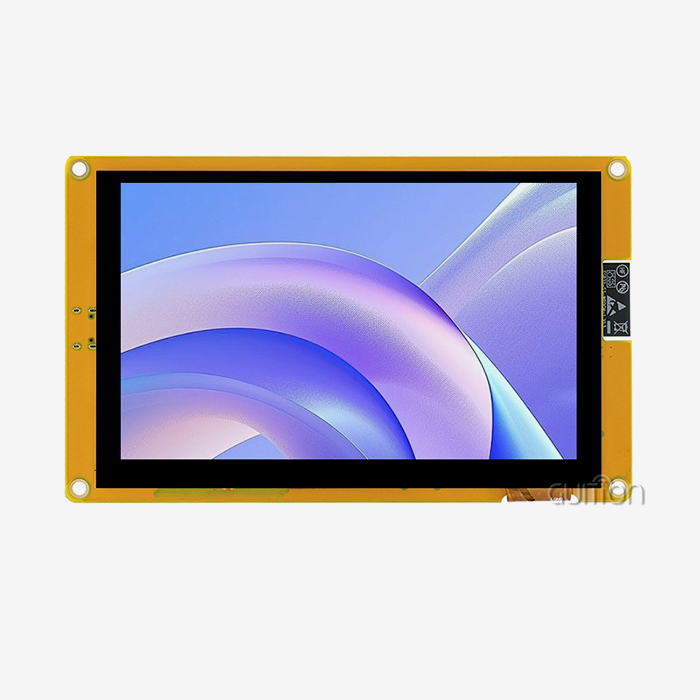
The design of the system determines the interface needs. Displays with parallel RGB interfaces may be needed for older equipment, while newer designs use serial communication protocols like SPI or MIPI DSI to make wiring easier. The Guition JC4827Q043N_I LCD panel module's MCU interface support makes it easier to connect to famous microcontroller ecosystems like Arduino and ESP-IDF. This makes development easier for engineering teams that already know how to work in these settings.
Evaluating Supplier Capabilities
It's not enough to just look at the specs of an LCD panel module; you also need to know how reliable the seller is, how good their technical help is, and how long the modules will be available. Medical device makers have to be very careful about how they handle changes and track which parts have been used. If parts suddenly stop working, it could affect their ability to get governmental approvals and get their products on the market.
Timelines for development are directly affected by the quality of technical documentation. Full datasheets with electrical specs, mechanical drawings with mounting instructions, and timing diagrams for interfaces give engineering teams the confidence to move forward with the design phases. Suppliers who offer standard designs, software libraries, and integration examples—for example, Guition's development tools that work with multiple computing environments—significantly shorten the time it takes for new products to reach the market.
Sample evaluation tools let you try something out for yourself before committing to large amounts for production. By asking for evaluation units, you can try them in real-world situations, making sure that the SPI LCD Display can be read in your lighting, that they can be mounted correctly, and that the interface works with your control electronics. This investment in validating prototypes keeps costly redesigns from having to be done after production commitments have been made.
Cost Considerations Beyond Unit Price
When buying LCD panel modules, you need to look at the total cost of ownership, which is more than just the price per unit. Real program costs are affected by the cost of development, the difficulty of integration, the cost of following rules, and the cost of maintenance over the course of the program's life. A module that seems cheap but needs a lot of custom driver development may end up costing more than a slightly more expensive solution that comes with full software support and can be put together quickly.
Product lifetime costs are affected by how long a product is available. Medical devices and industrial tools are often made to last at least seven to ten years. During this time, parts become obsolete, which requires expensive redesigns and resubmissions to regulators. This risk can be reduced by suppliers who promise to keep products available for longer or who offer aging management programs. This will protect your technical investment.
Pricing based on volume and MOQ (Minimum Order Quantity) rules has an effect on cash flow and managing stockpiles. Large minimum orders that tie up working capital can be hard for new companies that make medical devices and specialty equipment. When a product is being ramped up, suppliers who offer open buying terms or consignment inventory programs can help with money issues.
Industry Trends and Future Outlook of LCD Panel Modules in Medical and Control Systems
Display technology is always changing because people want better performance, better user experiences, and the ability to connect to new technologies that are changing the way healthcare is delivered and how factories are automated. Knowing these paths helps procurement teams make choices that look to the future and keep tools competitive for longer.
Advances in Display Performance
Brightness options keep growing, and now there are specialized LCD panel modules that can reach 1000+ nits for uses that need to be readable in bright environments. This feature isn't very common in traditional medical settings, but it's useful for mobile medical carts near windows, portable diagnostic tools used in the field, or industrial panels in manufacturing areas with natural light.
When response times get better, more interactive material can be shown. In the past, medical monitoring mostly used static displays of parameters. However, newer equipment includes video streams from surgical cameras, real-time reconstruction of 3D images, or augmented reality overlays that help surgeons do their jobs. Motion artifacts that could hurt the accuracy of the procedure or the operator's confidence are gone when response times are faster.
Expanding the color range makes it possible to reproduce captured images more accurately. Wide color range screens that meet or go beyond sRGB standards make sure that diagnostic images look the way they're supposed to, so there is consistency between capture devices, display systems, and images that have been saved. This consistency is especially important in telemedicine, where specialists from afar interpret images without being able to directly access the equipment.
Smart Connectivity Integration
Network-enabled displays turn stand-alone devices into active members of a linked environment. Guition's connected display solutions have built-in WiFi and Bluetooth that allow for remote monitoring, centralized data collection, and over-the-air firmware updates. This connection solves problems that come up in medical and industrial settings where it takes a lot of technical resources to directly reach distributed equipment for repair or updates.
Remote upgrades lower service costs and speed up the rollout of new features. Instead of sending workers to install new hardware and update firmware or user interfaces, makers can push updates online to make sure that all units stay up to date on functionality and security patches. This feature is especially useful for medical gadgets that need to be fixed quickly because of hacking flaws that put patients at risk.
Ergonomic and User Experience Enhancements
Touch interfaces are becoming more and more popular in professional equipment as well as consumer electronics. Traditional button-and-knob systems are less easy to use than capacitive touch overlays, which means less training is needed and work gets done faster. But medical apps have to find a balance between the ease of touch and the need to prevent infections. For example, smooth touch screens make them easier to clean, but they might need to be used with gloves on or a stylus.
Interface creation tools have a huge effect on both the quality of the user experience and the time it takes to build something. This trend is shown by Guition's drag-and-drop interface builder, which lets people make quick prototypes and changes without needing to know a lot about embedded programming. These kinds of tools make complex HMI development more accessible, so smaller engineering teams can make professional interfaces that can compete with those made by bigger companies that have dedicated UI development resources.
Troubleshooting and Maintenance Guide for LCD Panel Modules
Even strong LCD panel modules can sometimes have performance problems that need to be systematically found and fixed. Knowing the most common types of failure and how to fix them properly cuts down on equipment downtime and damage caused by bad fixing efforts.
Common Display Issues and Solutions
Most of the time, a flickering display is caused by an unstable power supply, loose cable connections, or electromagnetic interference. Make sure that the input voltage stays within the LCD panel module's limits during operation. Voltage drops may happen temporarily when the equipment is turned on or when high-power components are activated. Check wire systems for broken conductors or connectors that don't fit properly, especially on machines that move or vibrate a lot.
Pixel flaws show up on the screen as bright or dark spots that don't go away. The methods used to make liquid crystal panels can't promise that there will be no flaws; acceptable flaw levels are set by industry standards based on the size and position of the pixels. The ISO 9241-307 standard groups image flaws into different types and sets quality standards. It saves money on replacement costs by being able to tell the difference between flaws that meet specifications and failures that qualify for a warranty.
Changes in color uniformity across the display surface are often caused by the backlight getting old or the display unit being under too much or too little pressure. Over time, LED backlights lose some of their brightness, but good LCD panel modules keep 70% or more of their brightness after 50,000 hours or more. If color shifts seem to be happening in one area, check the mounting for pressure points where bezels or mounting hardware press down on the display assembly. Uneven pressure can mess up the alignment of the liquid crystals, which leads to color shifts in one area.
Preventive Maintenance Practices
Cleaning the screen regularly keeps it clear without hurting the protective coatings. Do not use harsh chemicals, abrasives, or too much water that could get into the display edges. Instead, use microfiber cloths that are slightly wet with water or approved electronic cleaning solutions. Medical settings might need extra cleaning steps with approved disinfectants; make sure the chemicals won't damage display materials before using germicidal solutions.
Mechanical breakdowns can be avoided by checking the mounting parts on a regular basis. Vibration and changing temperatures over time can slowly loosen fasteners, which could let the display move in a way that stresses the cable connections or puts pressure on the display assembly. As part of normal equipment maintenance, check the mounting of the display and make sure that the hardware is tightened to the stated pressure values.
Environmental tracking keeps screens safe from conditions that are too high for them to work. When installing equipment in places where the temperature changes, it's helpful to keep track of the real temperature ranges it experiences while it's working and make sure they stay within the display numbers. In the same way, keeping an eye on the quality of the input voltage helps find problems with the power supply before they affect the performance of the display or lead to early failures.
Conclusion
When choosing the best display solutions for medical and control systems, you have to think about technical performance, regulatory compliance, integration complexity, and long-term costs. LCD panel modules offering proven reliability, comprehensive development support, and flexible integration capabilities enable equipment manufacturers to deliver products meeting demanding operational requirements while controlling development timelines and total program costs. Expectations are still changing in medical and industrial settings as displays become more connected, can be maintained remotely, and have more advanced user interfaces. Purchasing teams that keep up with these trends while keeping their attention on basic needs like clarity, dependability, and supportability set their companies up to stay competitive in markets that are always changing.
FAQ
1. What differentiates LCD panel modules from OLED displays in medical applications?
LCD technology is currently the most popular choice for medical displays because it lasts longer and costs less per unit area when the screens are bigger. OLED screens have better contrast ratios and faster reaction times, but when they show static content, like in medical tracking where parameter layouts don't change, the brightness decreases over time, and there is a chance of burn-in. LCD panel modules work better in hospital settings where they need to be used 24 hours a day, seven days a week.
2. How can I verify a display module meets medical industry compliance standards?
Ask sellers for certification papers directly, such as test records that show IEC 60601-1 compliance for the safety of medical electrical equipment. Check that the materials you're using are compliant with RoHS and REACH. Reliable suppliers keep records of certifications and provide proof to back up regulatory submissions. If the supplier's paperwork seems to be missing some information, you might want to hire a third-party testing lab to do an independent check.
3. What warranty terms should I expect from display module suppliers?
Industrial and medical-grade LCD panel modules usually come with 12- to 36-month warranties that cover problems with the way they were made. Find out exactly what the guarantee covers. For example, some sellers don't cover damage caused by improper handling, operation that doesn't follow the instructions, or illegal changes. For an extra fee, you may be able to find extended guarantee plans. It's also important to make sure that the supplier is committed to keeping the product available for a long time, even after the warranty period is over, to support the lifecycle of the equipment.
Partner with Guition for Your Display Module Requirements
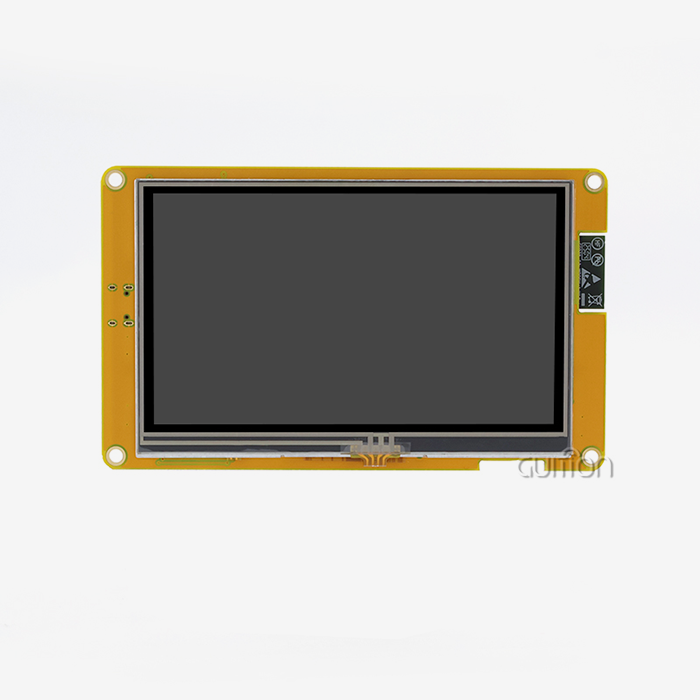
Guition is an expert at providing USART-HMI display solutions that are designed to work with complex medical and industrial control systems. Our JC4827Q043N_I model, which has an 800x480 resolution, ST3401A driver technology, and 16.7M color support in a small 4.3-inch form factor, shows how we strive to balance performance with real-world integration needs. We help with secondary development with our full-featured Guition software platform, which lets your team use Arduino, ESP-IDF, and native Guition development modes that fit their skills.
We offer full technical documentation, quick engineering support, and variable purchase terms that can be used for projects from the prototype stage to mass production as a reliable LCD panel module maker. Our built-in WiFi and Bluetooth make your designs future-proof for ecosystems of connected equipment, and our remote upgrade feature lowers the cost of service over the life of the product. Email our team at david@guition.com to talk about your unique application needs, get trial samples, or find out how our display solutions can help you get your product to market faster.
References
1. International Electrotechnical Commission. (2012). Medical Electrical Equipment – Part 1: General Requirements for Basic Safety and Essential Performance. IEC 60601-1:2005+AMD1:2012.
2. Society for Information Display. (2018). Information Display Technology Fundamentals and Applications in Medical Imaging Systems. Journal of the SID, Vol. 26, Issue 8.
3. Chen, J., & Kim, W. (2019). LCD Backlight Technology and Performance Optimization for Industrial Applications. Display Technology Letters, 15(3), 234-247.
4. U.S. Food and Drug Administration. (2020). Technical Considerations for Pen, Syringe, and Injection System Device Displays. FDA Guidance Document.
5. Tannas, L. E. (2017). Flat Panel Display Manufacturing and Reliability Engineering for Medical Device Applications. SID Symposium Digest of Technical Papers, 48(1), 1842-1845.
6. Association for the Advancement of Medical Instrumentation. (2021). Human Factors Engineering Guidelines for Medical Devices Including Drug-Device Combination Products. ANSI/AAMI HE75:2009/(R)2018.
Learn about our latest products and discounts through SMS or email